6 Trends We Tasted at the Summer Fancy Food Show 2026
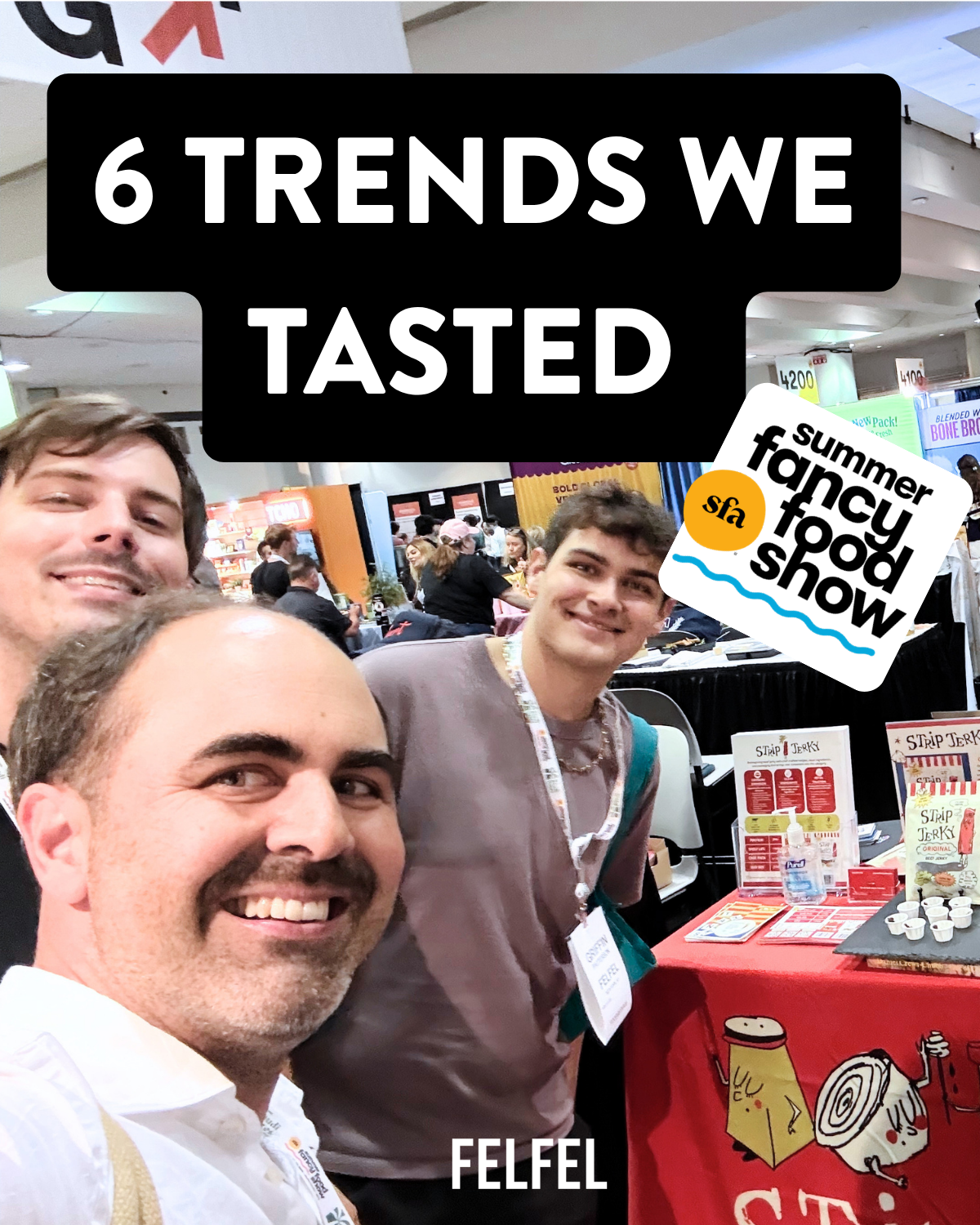
Three of us walked the New York floor for three days at the Fancy Food Show in New York, here is what we found:
The Fancy Food Show is a good place to tell hypes and trends apart, because the floor is where brands bet real money on which is which. This year the floor was packed. Participation hit a high, and people have never cared this much about food. That's the meta-trend under all the others: food stopped being a category and became a culture.
The short version:
Clean labels over lab-grown protein. Food as identity. Wellness-coded snacking. Functional everything. A protein arms race with no finish line. And terroir going mainstream. The gap between what's trending on the show floor and what ends up in the cart is still large — but it's closing.
Why we were there. FELFEL runs smart fridges in offices across NY and Philadelphia, so we don't just read about food trends — we stock them. Most of what's on this list will land in a FELFEL fridge before it lands in a supermarket: the protein everything, the functional gummies, the single-origin. Want to test the trends without flying to New York? Walk up to the FELFEL at your office. The floor showed us what's coming; the fridge is where you'll taste whether it's any good.
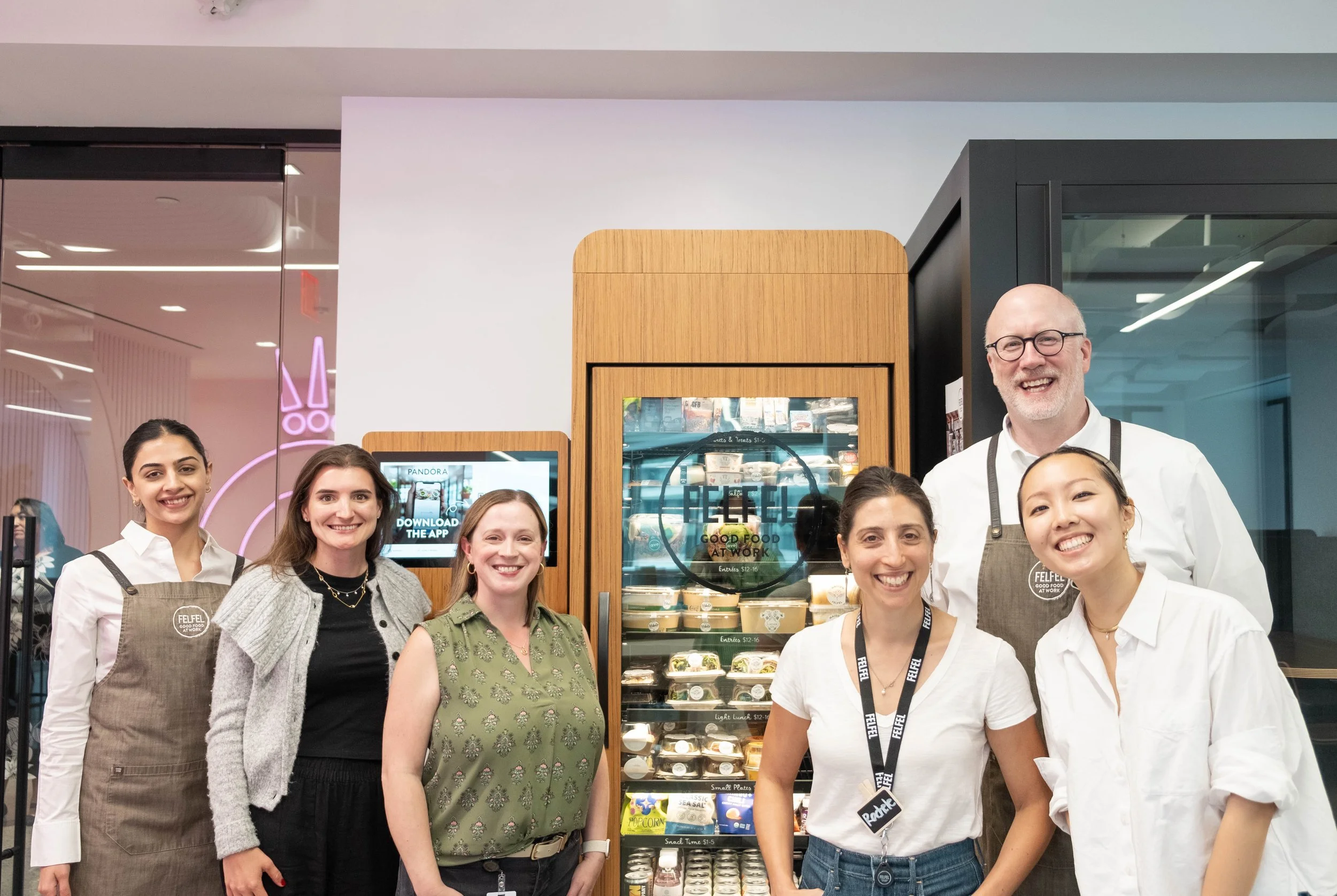
The FELFEL Smart fridge is the ideal solution for modern companies that want to allow their employees access to the best food and hippest trends in the office.
1. Real beats artificial beats processed
The 2026 Fancy Food Show confirmed it: artificial meat is a decreasing trend. Honest, pronounceable ingredients — few of them — are the new status signal.
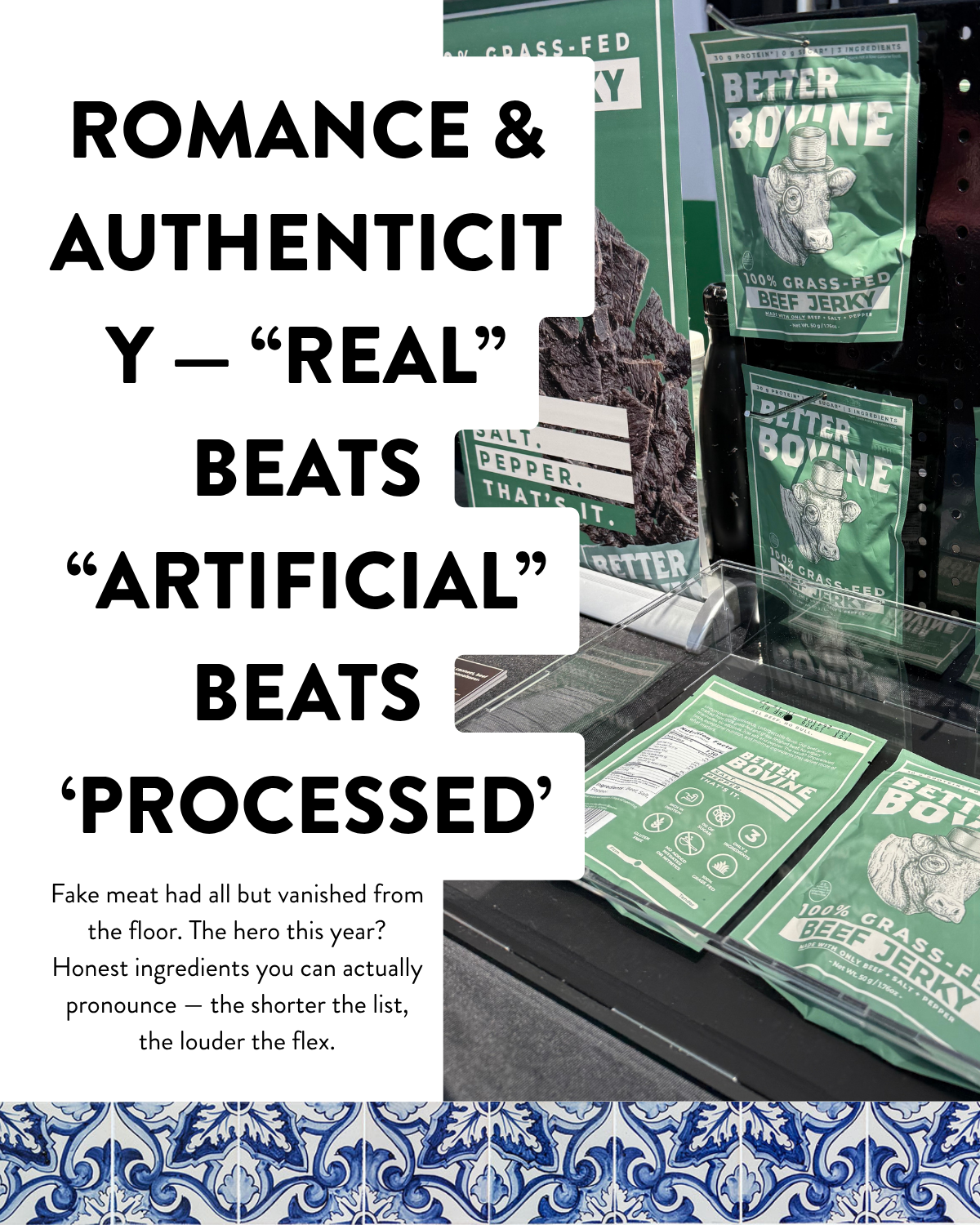
Artificial meat had all but vanished from the floor. A year ago, lab-grown protein was the future; investment has since collapsed from nearly $1bn in 2021 to around $55–65M, and names like SCiFi Foods, Believer Meats and Meatable shut down. What replaced it: honest ingredients you can pronounce. Better Bovine's grass-fed jerky lists three — beef, salt, pepper — and treats the short list as the whole pitch. The shorter the label, the louder the flex.
The same instinct runs through the "free-from" wave — less sugar, no gelatin, no artificial dyes — that nearly one in three new products now claims. Off the floor it becomes the grandmother trend: sourdough, braises, from-scratch everything, Ballerina Farm's 21 million followers. A counter-movement to a world that feels increasingly synthetic.
2. You are what you eat
Food became a status symbol — identity and distinction you can hold, photograph, and repeat at dinner.
Erewhon turned a $20 smoothie into a pilgrimage site (they removed Hailey Bieber's name in late 2025; the price stayed). Graza put olive oil in a squeeze bottle labeled "Drizzle" and "Sizzle" and made a pantry staple feel like a lifestyle purchase. Nara Smith cooks everything from scratch in designer clothing for an audience of tens of millions — the aesthetic, not the recipe.
Sociologists call this cultural capital. On the floor it looks like good branding and a provenance story you can repeat at dinner.
3. You're not hungry, you're seeking
Adaptogenic and nootropic foods — marketed for calm, focus, and clarity — were one of the dominant categories at the 2026 show.
Food becomes religion
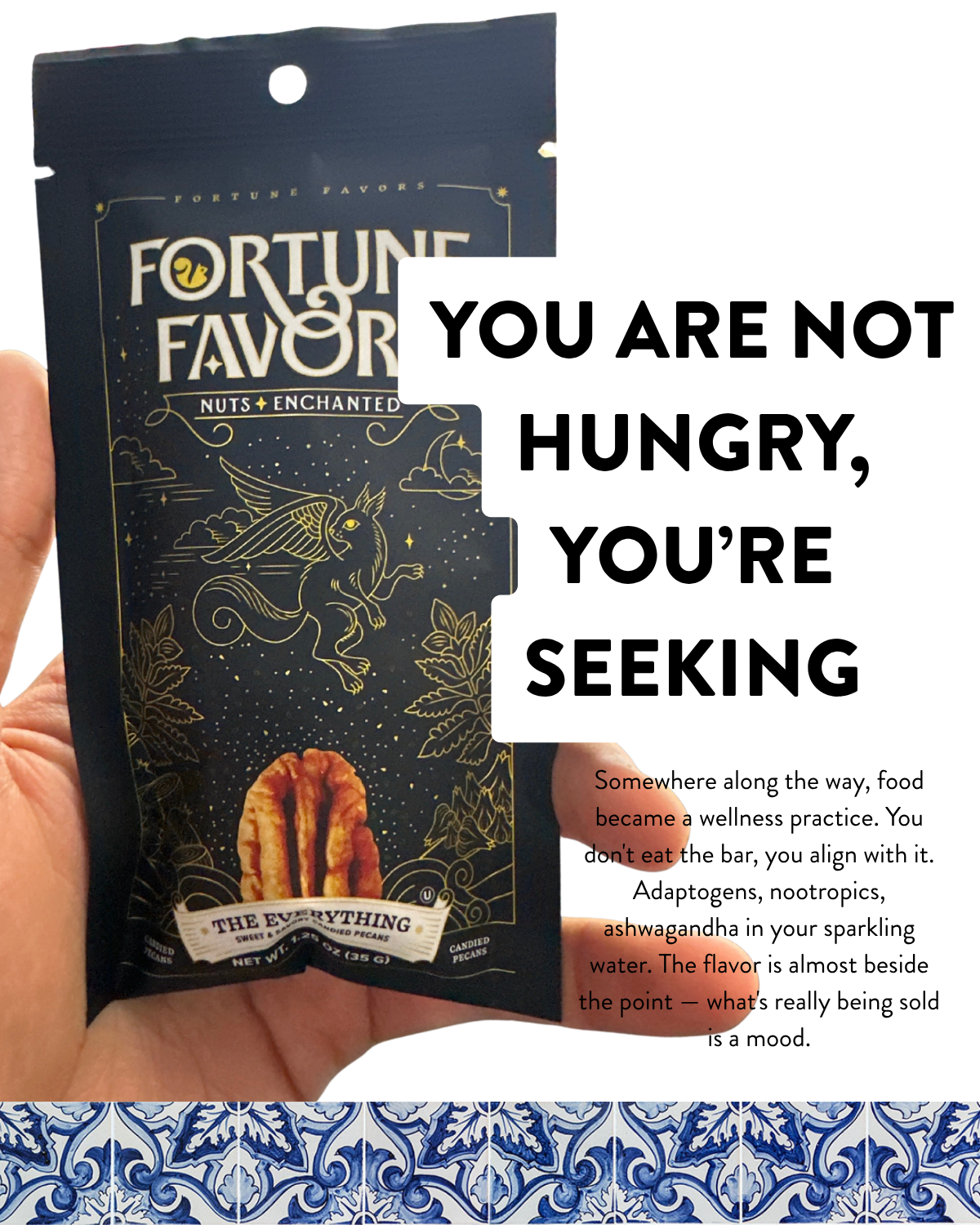
Somewhere along the way, food became a wellness practice. You don't eat the bar — you align with it. Adaptogens, nootropics, ashwagandha in your sparkling water; Fortune Favors sells candied pecans under a winged-cat crest. The flavor is almost beside the point. What's on the label isn't an ingredient list, it's a mood: calm, focus, clarity. We're not buying snacks. We're buying intentions.
4. Medicine that tastes like dessert
Functional foods engineered for gut health, energy, or focus — while still tasting like treats — are now a mainstream category, not a niche.
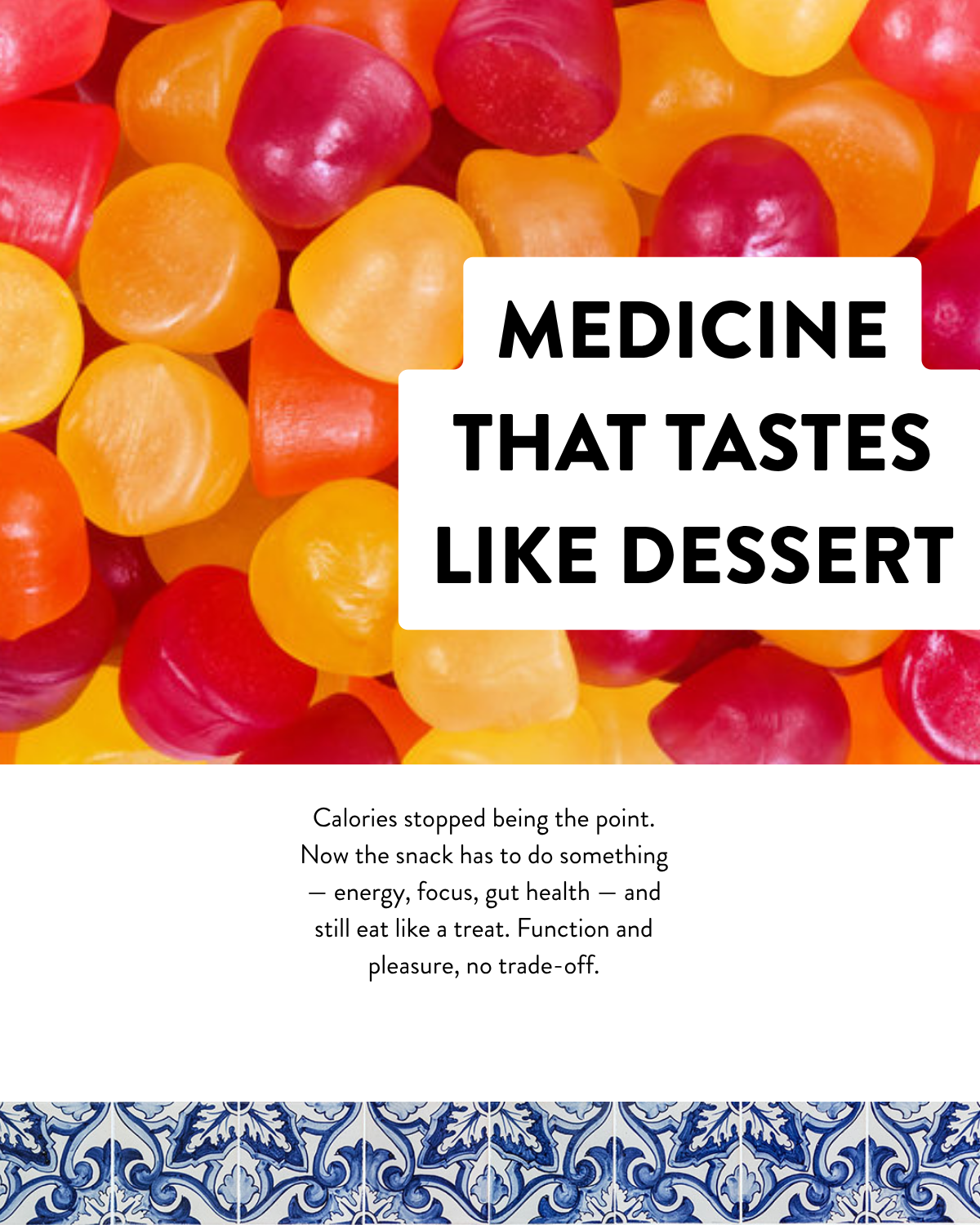
Calories stopped being the point. The new ask is that a snack do something — energy, focus, gut health — and still taste like a treat. Function and pleasure, no trade-off.
Make it stand out
The clearest version is the gummy: a candy that's also a supplement. Behind it sits the bigger shift — "fiber is the new protein," in PepsiCo's words — and gut health went from one yogurt aisle to an entire category, with prebiotic sodas up 245% in two years. The vitamin left the pill and moved into things that taste good.
5. The protein arms race
High-protein product launches quadrupled between 2013 and 2024 — and the 2026 show floor showed no signs of slowing down.
Not protein-rich — protein-maxed.
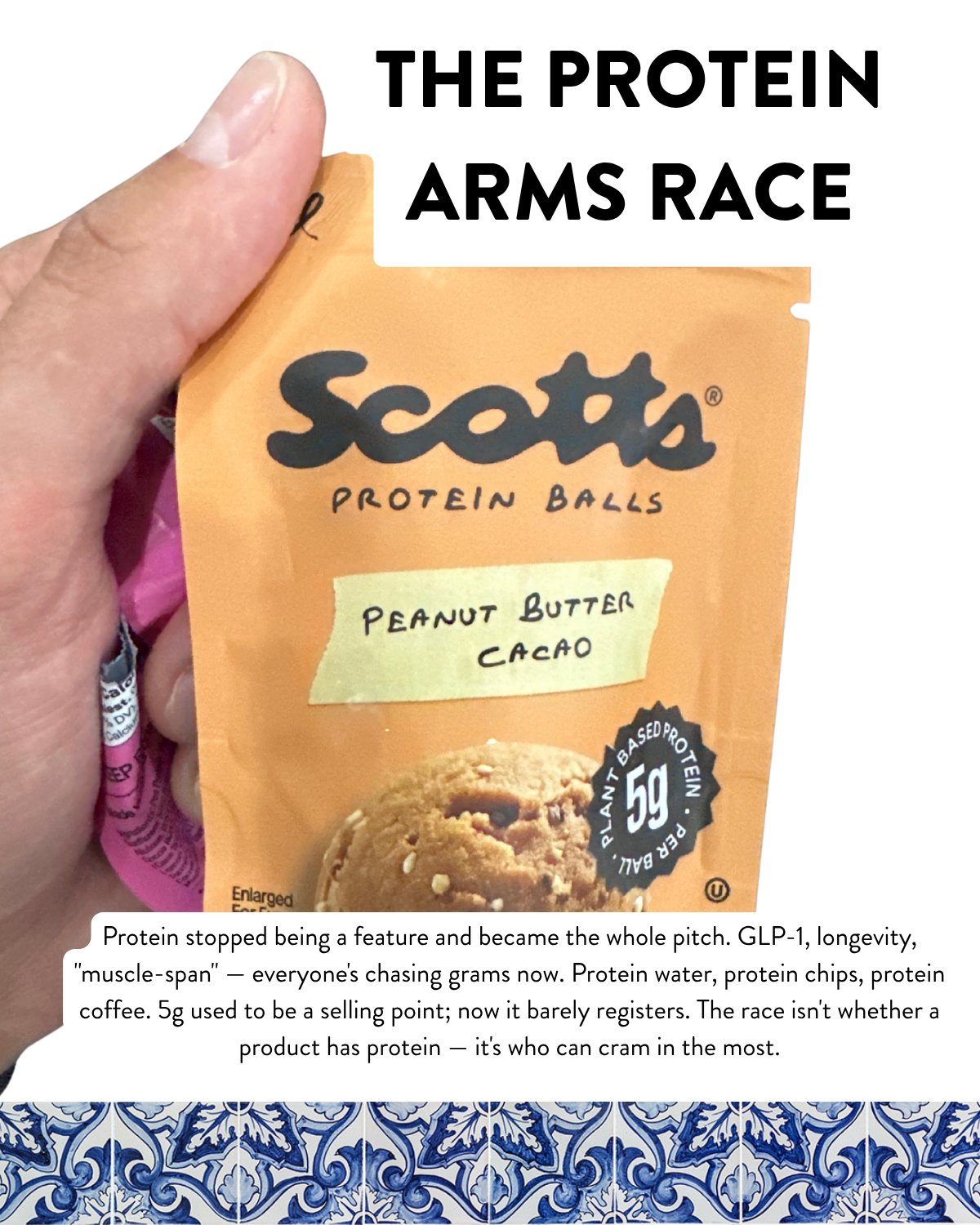
Scotts Protein Balls put "5g" on the front, and five grams barely registers anymore. Thank GLP-1 and the longevity crowd: high-protein launches quadrupled between 2013 and 2024, and more than 60% of Gen Z actively hunt for it. Protein coffee, protein soda, protein popcorn. The question on the floor wasn't whether a product had protein — it was who packed in the most.
6. Where it's from is the whole story
Single-origin, geographically specific food — yuzu, sakura, matcha, century-old Tuscan pasta — has crossed from specialty category to mainstream premium signal.
Terroir went mainstream
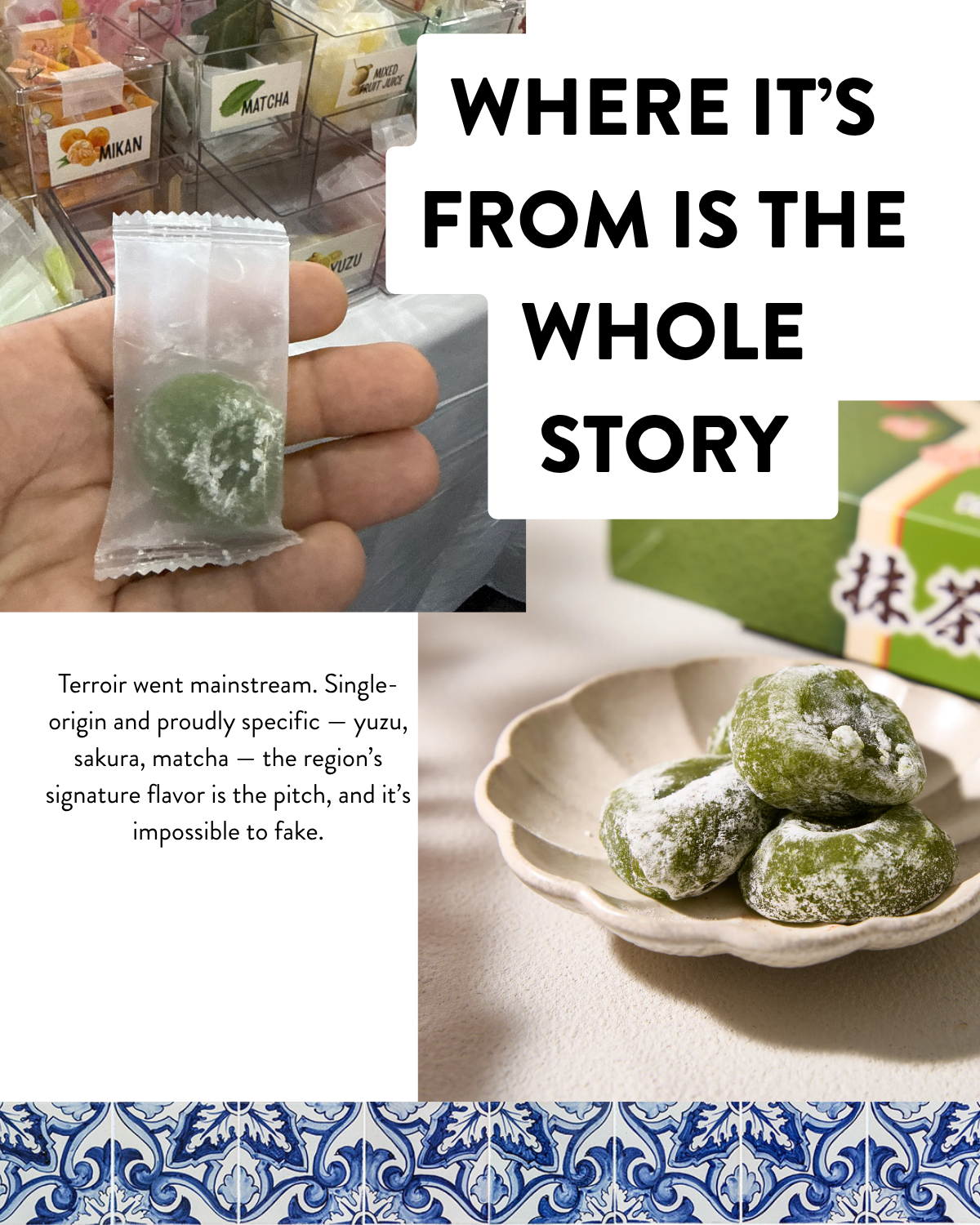
Single-origin and proudly specific — yuzu, sakura, matcha — the region's signature flavor is the pitch, and it's impossible to fake. "Where is it from?" now beats "what does it cost?"
Learn more about FELFLE and how you can get the hippest food trends in your office!