Office coffee service options compared: drop, pods or bean-to-cup? a 2026 guide
Short answer: Drip is the cheapest per pot and often the most wasteful per cup. Pods are easy but cost more per cup and create packaging waste. Bean-to-cup machines make the best coffee and most drink types, and they need regular cleaning and service. For offices of about 50 or more people, a bean-to-cup machine with a full-service contract is usually the best balance, because someone else handles the maintenance.
Here is how the options compare and how to choose.
The four common office coffee options
1. Batch drip
A commercial brewer fills carafes or airpots.
Pros: Lowest equipment cost, fast at the morning rush, good for events and banquets.
Cons: Black coffee only. Quality drops roughly 30 minutes after brewing, according to BrewBird's buyer's guide (a coffee vendor). In slow periods much of the pot is poured out, and someone has to brew, check and rebrew.
Best for: Small teams on a tight budget, and events.
2. Single-serve pods and capsules
Pre-ground coffee brewed one cup at a time.
Pros: Easy to use, consistent, minimal cleaning, little waste in the coffee itself.
Cons: Higher cost per cup, packaging waste, and a narrower drink range. Pre-ground coffee loses aroma.
Best for: Small offices with light, spread-out demand.
3. Bean-to-cup machines
The machine grinds whole beans for each cup and can add steamed or foamed milk.
Pros: Freshly ground coffee, a wide drink menu (espresso, americano, latte, cappuccino) at the touch of a button, and little packaging waste.
Cons: Higher upfront investment or lease cost, and regular cleaning, filling and servicing. When a machine breaks and nobody services it, the program stops.
Best for: Offices that want cafe-style coffee as a perk, ideally with a service contract.
4. Full in-office cafe
A staffed coffee bar or barista.
Pros: The best experience and a social gathering point.
Cons: Staffing cost, space and management. It makes sense mainly for large sites.
Best for: Large campuses and headquarters.
The environmental question
Single-cup pods and capsules carry a packaging cost. The Java Tap guide cites Keurig and Flavia as adding more than 11 billion plastic cups and pouches to landfills a year, with only about 5% recycled. That is a vendor-published figure from an undated source, so verify it before quoting it. Bean-to-cup machines produce only used grounds, which is the main reason they are the lowest waste option.
What to look for in a coffee service
Fresh grinding. Whole beans ground per cup.
Drink range. Espresso, americano, latte, cappuccino and flat white, in decaf or regular.
Milk options. Dairy and plant-based milks such as oat.
Service level. Who installs, cleans, restocks and repairs the machine, and how fast?
Hygiene. Automatic cleaning cycles, especially for milk systems.
Remote monitoring. Does the provider see faults and consumption before you do?
Contract terms. Exclusive supply, minimum terms and lease fees.
Bean quality. Origin, roast and certifications.
How FELFEL's coffee program works
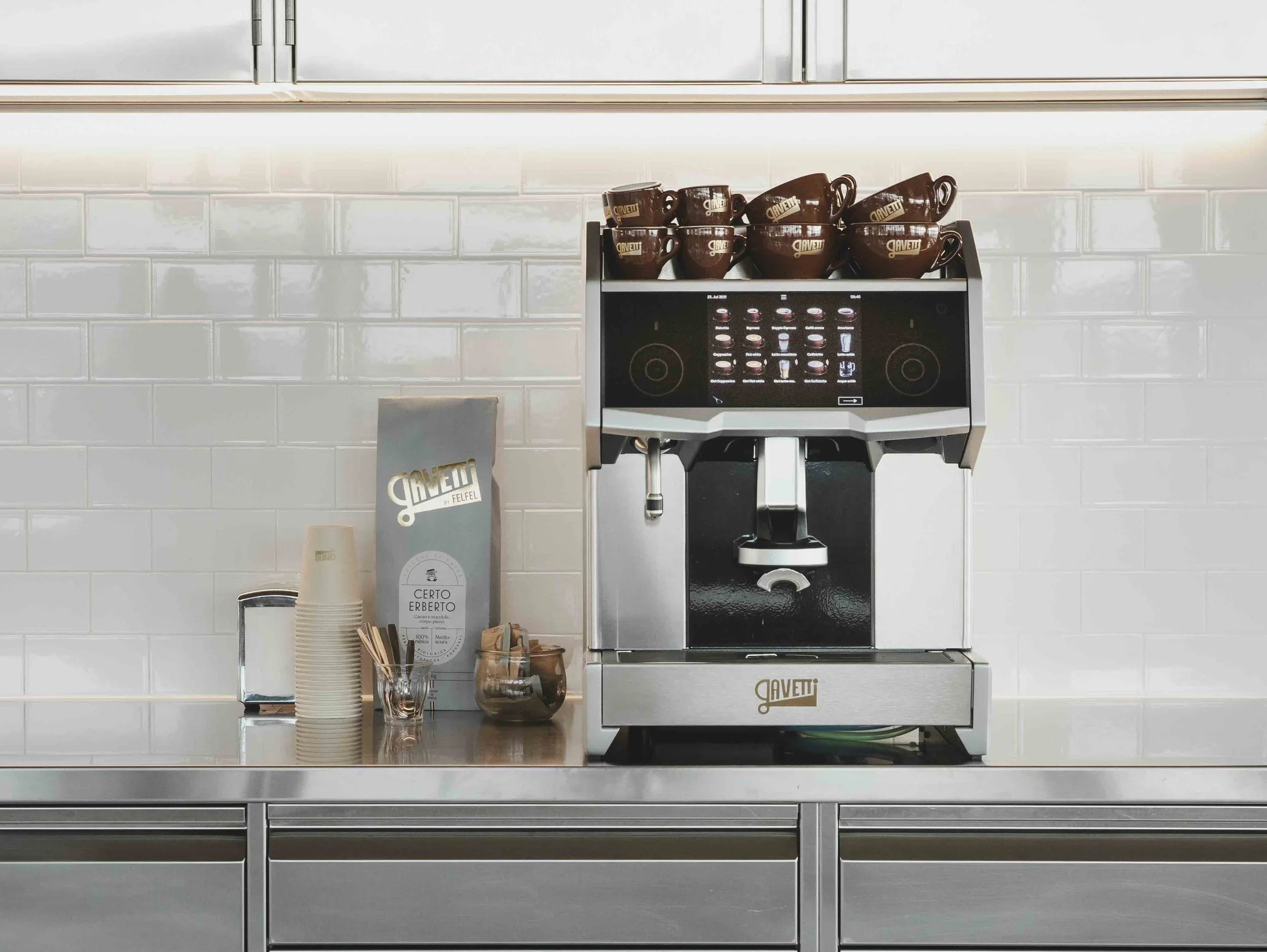
FELFEL offers Gavetti, a bean-to-cup office coffee solution, on its own or alongside its smart fridge. The details from FELFEL's materials:
Drinks: More than 20 recipes at the touch of a button, including ristretto, espresso, doppio, americano, caffe latte, cappuccino, flat white and espresso macchiato.
Choices: Decaf or regular, and fresh dairy milk or oat milk.
Beans: Freshly ground arabica, 100% organic and Rainforest Alliance certified, roasted in small batches.
Machine: Manufactured in Switzerland, with automatic cleaning and remote optimization for consistent quality. Two models are available.
Service: A full-service model that includes installation, daily cleaning, servicing and maintenance, so your team does not refill, clean or repair anything.
Coverage: New York to Philadelphia.
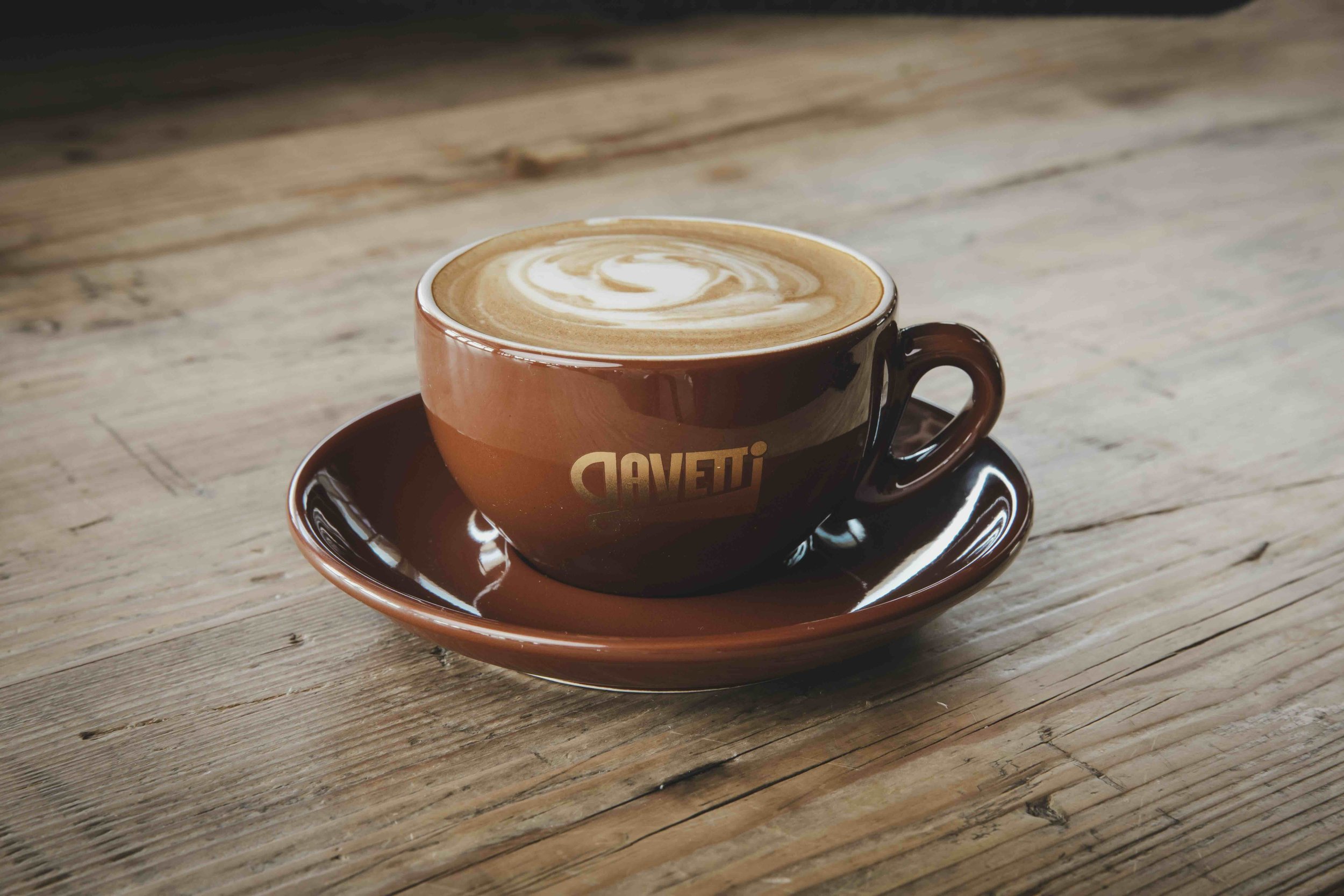
The result is a service similar to the bean-to-cup category in this guide, with maintenance handled by the provider. If you already work with FELFEL for meals, the coffee machine sits alongside the fridge, and a curated snack pantry of 100+ options is also available.
How to choose: a quick decision guide
Fewer than 25 people, tight budget? Drip or pods may be enough.
25 to 50 people, moderate coffee demand? Pods or a compact bean-to-cup machine.
50+ people, or coffee as a perk? Bean-to-cup with a full-service contract.
Hybrid schedule? Prefer an on-demand format (pods or bean-to-cup) so nothing goes stale between busy days.
Large campus with a budget for staff? Consider a cafe.
The takeaway
Compare office coffee on the cost per consumed cup, not the sticker price. Drip is cheap per pot, pods are simple, and bean-to-cup gives the best drinks. For most mid-size offices, the deciding factor is who handles the upkeep.
Want coffee and meals handled by one provider?